
How to Spot Authentic Reclaimed Wood vs. Imitations
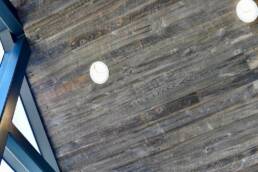
Reclaimed wood is popular for its unique look and eco-friendly qualities, but it can be hard to tell real pieces from imitations. True reclaimed wood comes from old barns, factories, and warehouses, bringing a history that new, distressed wood can’t offer. Knowing how to spot the real thing helps you get both authentic charm and environmental benefits for your projects.
Timeless Character in Every Plank
True character comes from weathering the elements, not a machine. Authentic planks show off decades of sun, wind, and wear, creating a depth that store-bought “distressed” wood just can’t match. It’s also a choice you can feel good about. By repurposing existing lumber, you skip the need to harvest new trees, bringing a piece of history into your space while keeping your environmental footprint small.
Telltale Signs of Authentic Reclaimed Wood
Real Antique Wood wants our customers to be able to spot real reclaimed wood, look for details that show its age and story. These features, shaped by years of use, make reclaimed wood special.
Natural Imperfections
At Real Antique Wood, you can tell real reclaimed wood by its natural flaws. Look for nail holes, saw marks, and signs of weathering. Nail holes, often seen in barn siding, show where the wood was once used. Saw marks reveal old milling methods. Weathering from sun and rain gives the wood a look and feel that new lumber can’t match.
Unique Patina and Color Variations
Leveraging RAW’s expertise in the patina and color variations of reclaimed wood is a key indicator of its authenticity. Over time, exposure to light and air creates a range of hues and tones that new wood does not possess. This natural aging process, or raw process of the wood over decades, results in a patina that not only enhances visual appeal but also confirms the wood’s genuine nature. The diverse colors and tones in a single piece of wood are a testament to its reclaimed history, offering a unique aesthetic for any project.
Red Flags for Fake Reclaimed Wood
Real reclaimed wood stands out because of its unique features, but fake versions often miss these details. Knowing what to look for can help you avoid buying imitation materials.
Repetitive Distress Patterns
Repeated distress marks are a big clue that wood is fake. Real reclaimed wood has random flaws, each with its own story. Fake wood often shows the same marks over and over because of factory aging. If you notice identical scratches or patterns on several boards, the wood is probably not real reclaimed wood.
Perfect Uniformity
If the wood looks too even in texture and color, that’s another sign it might be fake. Real reclaimed wood has natural differences in grain and color that show its past. Imitation wood tries to look the same throughout, missing the unique features of real reclaimed wood. If it looks too perfect, it’s probably not the real thing.
Why Choose Authentic Reclaimed Wood
Picking real reclaimed wood has more benefits than just looks. It’s good for the environment because it saves trees and cuts down on new lumber use. Every piece is different, giving your project a special and authentic feel. Unlike new wood, which can look plain, reclaimed wood has a style that can’t be copied.
Reclaimed wood is also very durable. Since it has already lasted for years, it’s often stronger and more stable than new wood. This makes it great for both building and decorating, like for floors or furniture.
Bring History Home With Genuine Reclaimed Wood
When you choose real reclaimed wood, your projects show quality, character, and care for the environment. Learn to spot the real thing and avoid fakes, so you can support good craftsmanship and sustainability. Check out Real Antique Wood’s collection of genuine reclaimed materials to bring history into your home.
Visit our showroom or contact our team to experience the timeless beauty of genuine reclaimed wood firsthand.